

Speakers

Joan Guanyabens
Joan Guanyabens is Director of the TIC Salut i Social Foundation, a public organisation that promotes and supports digital transformation across the health and social care sectors in Catalonia. He also serves as President of the Board of Directors of the European Health Telematics Association (EHTEL).
He holds a degree in Medicine from the University of Barcelona and a Master’s in Health Management from ESADE. Over the course of his career, he has held senior leadership roles in the public, academic and private sectors, contributing to the advancement of digital health strategy, innovation and governance.

Smisha Agarwal
Dr. Smisha Agarwal, PhD, MPH, MBA, BDS is the Director of the Center for Global Digital Health Innovation and Associate Professor in the Department of International Health at the Johns Hopkins Bloomberg School of Public Health. She brings expertise in advancing primary health care through strengthening community health systems and leveraging innovative technological solutions including digital devices. A part of her research has focused on using predictive analytics and machine learning algorithms based on routine monitoring data to enhance our understanding of quality of care, create safety nets to care for high-risk populations and improve effectiveness of reproductive health services. Over the last two decades, her research has been leveraged by normative agencies like WHO to develop guidelines on national digital transformation, donors to guide investments in primary health care, and governments to develop their national digital health strategies. She is the Editor-in-Chief of the Oxford Open Digital Health Journal.

Aaron Ding
Aaron Ding is the director of CPI Lab and senior associate professor with tenure at TU Delft, Netherlands. He has over 18 years top R&D practices across EU, Switzerland, UK and USA. Prior to TU Delft, he worked at TU Munich, University of Cambridge, Columbia University, and with his sabbatical at ETH Zürich. Focusing on interconnected Edge AI systems, he has won major EU grants as coordinator and PI. He has supervised 100+ students and served as PhD examiner for many institutions including University of Cambridge, TU Munich, Ghent University, Aalto University, Rotterdam Erasmus MC. For contributing to edge computing with a dedicated book and award-winning publications, he is invited to serve on chairing and program committee for top-tier international conferences including ACM SIGCOMM, ACM WWW, ACM UbiComp, ACM MobiCom, ACM MobiSys, ACM CoNEXT, ACM SenSys, ACM e-Energy, ACM/IEEE SEC, IEEE INFOCOM, and IEEE ICDCS.
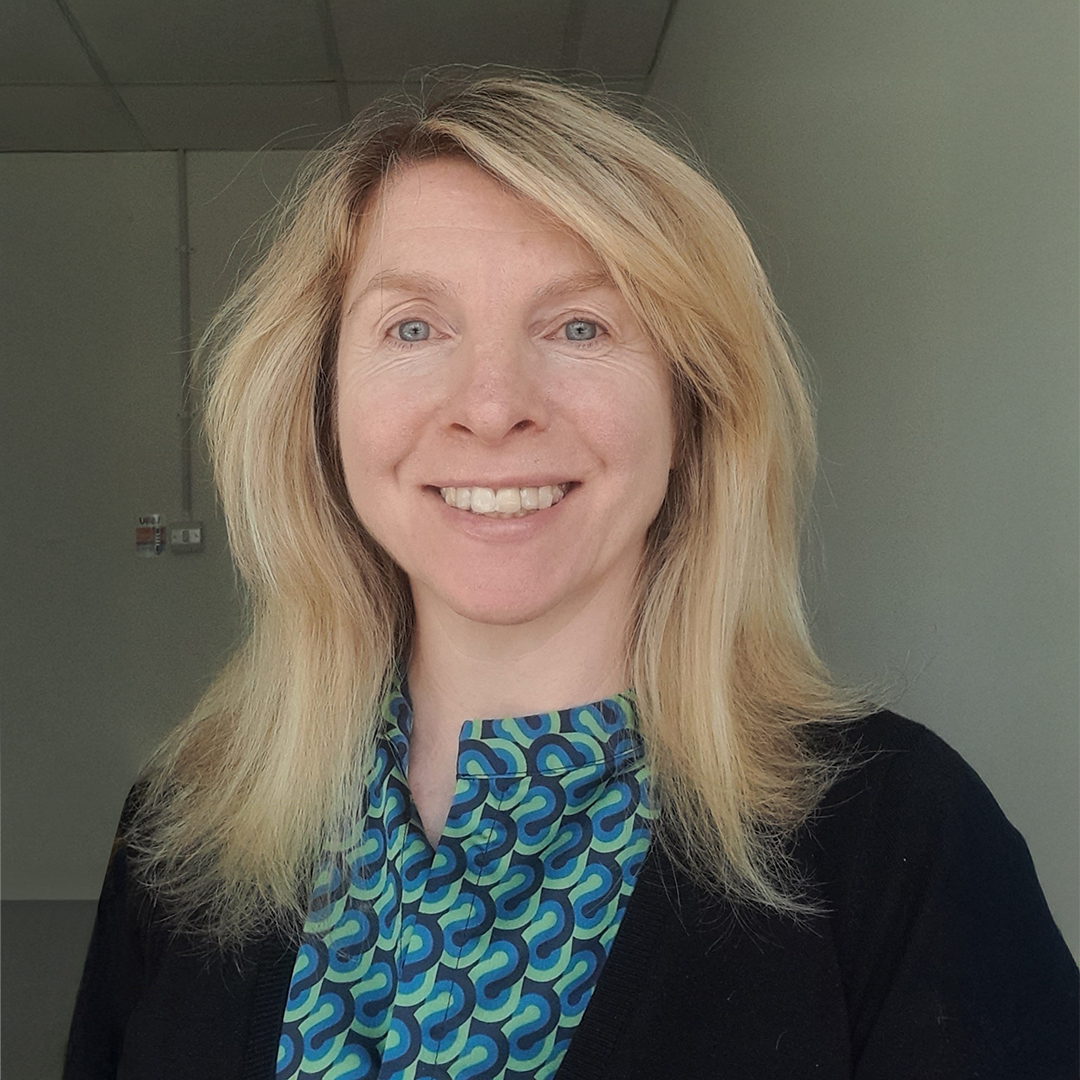
Sandra Dudley
Sandra Dudley-McEvoy is a Professor of Communication Systems at London South Bank University (LSBU) and Director of the REACT Innovation Centre. She earned her BSc and PhD in Physics from the University of Essex. Her research focuses on wireless sensing, microwave imaging, and AI-driven healthcare technologies, with applications in non-invasive diagnostics and remote monitoring. She actively leads multidisciplinary collaborations to advance digital health and smart sensing solutions.

Lucie Flek
Lucie Flek is a full professor at the University of Bonn, leading the Data Science and Language Technologies group. Her main interests lie in machine learning research for natural language processing (NLP), including AI robustness and safety. The application areas range from large language models and conversational systems, across clinical NLP and mental health research, to misinformation detection and social media analyses. Prof. Flek has been active both in academia and industry – she used to manage natural language understanding research programs in Amazon Alexa and contributed to the Google Shopping Search launch in Europe. Her academic work at the University of Pennsylvania and University College London revolved around user modeling from text, and its applications in psychology and social sciences. Her PhD at TU Darmstadt focused on meaning ambiguity, incorporating expert lexical-semantic resources into DNN classification tasks. She has served as Area Chair for Computational Social Sciences at numerous ACL* conferences, and as an editor of the NLP section of multiple AI journals. Before her career path in natural language processing, Prof. Flek has been contributing to particle physics research at CERN in the area of axion searches.

Karim Lekadir
Karim Lekadir is an ICREA Research Professor in the Department of Mathematics and Computer Science at the University of Barcelona. He studied mathematics and computer science as an undergraduate in France and Germany. He obtained his PhD from Imperial College London and was a postdoctoral researcher at Stanford University. He is now the Director of the Artificial Intelligence in Medicine Lab (BCN-AIM), where he investigates new data science techniques for trustworthy and ethical AI in healthcare, with a focus on generalisability, fairness and accessibility. He has been PI in 18 EU-funded projects, including 6 projects as Scientific Coordinator, and was awarded an ERC Consolidator grant to investigate new AI techniques tailored to resource-limited settings. He is the main author of the FUTURE-AI guideline for trustworthy and deployable AI in healthcare. His research touches on several medical fields, including oncology, cardiology, women’s health, psychiatry, and global health.

Gillian Vesty
Gillian Vesty is a Professor and Deputy Dean L&T in the School of Accounting, Information Systems and Supply Chain at RMIT University, Melbourne, Australia. She is the Chair of RMIT Education Committee, a member of CPA Australia, and a Board Member of Southwest Healthcare, Victoria. Her research interests seek to align management accounting’s performance evaluation and strategic budgeting with social impact research that address health and wellbeing challenges from an environmental and value-based healthcare perspective. Dr. Vesty is also an active Board Member of Games for Change, Asia Pacific, fostering the nexus between simulated artefacts in the form of serious games to provide a powerful vehicle for ongoing experimental research. She is on the editorial board of Accounting Auditing and Accountability Journal.

Maryam Alimardani
Maryam Alimardani is an Associate Professor at Vrije Universiteit Amsterdam, specializing in Brain-Computer Interfaces (BCI) and Human-Computer Interaction (HCI). She earned her PhD from the Intelligent Robotics Laboratory at Osaka University, Japan. Her research focuses on developing BCI systems that enable personalized interaction with technology by leveraging EEG brain signals and advanced AI models. She designs intelligent interfaces that monitor users’ mental states (such as attention or workload) and provide adaptive feedback. Her work integrates BCI into a range of interactive technologies, including virtual reality (VR) environments and robotic platforms, with the aim of enhancing user control and experience, particularly in pedagogical and healthcare settings.

Oliver Amft
Professor Oliver Amft is with the University of Freiburg, Germany. His research interests include wearables, implantable sensors, and pervasive computing.

Arild Faxvaag
Arild Faxvaag is a professor in Health informatics. His research is centered around understanding how health professionals and patients utilize knowledge to analyse and solve health problems and around using this insight to develop IT-solutions that enables patients, personnel, institutions and governments to realize knowledge-based care in a safe, effective, equal and more sustainable way. Arild Faxvaag is also a senior advisor at Department of medicine and analysis, Helseplattformen A/S.

Rune Pedersen
Rune Pedersen is a department manager and senior researcher at Norwegian Centre for E-health Research. He is also an Associate Professor in the UiT Arctic University of Norway. His research interests seek to the development of holistic clinical patient journeys by using heterogeneous interoperable EPR systems.

Sabine Koch
Sabine Koch is the Strategic Professor of Health Informatics and Head of the Department of Learning, Informatics, Management and Ethics at Karolinska Institutet, Sweden. Her research interests combine medical informatics and human-computer interaction to design and evaluate services for enhanced decision making and collaborative care. Dr. Koch is previous President of the International Medical Informatics Association (IMIA) and Editor-in-Chief of Methods of Information in Medicine.

Vivian Vimarlund
Vivian Vimarlund is a Professor Emerita in Informatics at the School of Engineering and Technology, in Linköping University, Sweden. She has conducted research since 1994 within the area of Health Informatics with special focus on issues such as: a) eHealth b) Methods and models to evaluate the impact of the implementation and use of eHealth innovations. Her current research focus is on how to develop sustainable ecosystems and two-sided e-health markets with special focus on the necessity of creating strategies, developing policies and innovative business models that sustain this type of markets.

Christian Nøhr
Christian Nøhr is a Professor at Aalborg University, Denmark. Professor Nøhr has also been working in the University of Southern Denmark. His research interests seek to health informatics and health care, and he has published a lot of user experience of electronic health record systems. He is the past President of the Nordic eHealth Research Network. He is also the main organizer of the Danish eHealth Observatory -conference.

Jeppe Eriksen
Jeppe Eriksen is an Associate Professor in the Department of Planning at the Aalborg University, Denmark. His research interests seek to health technology research, patient reported outcomes, and electronic patient-reported outcomes. His latest publication deals with citizens’ experiences of digital health services. Dr. Eriksen is the current president of the Danish Society of Digital Health.

Gudrun Audur Hardardottir
Gudrun Hardardottir is a Special Advisor at the newly established Digital Health unit within the Ministry of Health in Iceland. Her research interests seek to the development and implementation of national digital health solutions including the ePrescription system, the National Citizen Health Portal, and the National Electronic Health Record. Dr. Hardardottir is also the coordinator of the National Contact Point for eHealth, and EU4Health eHealth services implementation in Iceland. She serves on several eHealth committees, both domestically and internationally.

Emmanouil Tsiasiotis
Emmanouil (Manos) Tsiasiotis works as a research associate at the Graduate School of Economics and Health systems management at Università Cattolica del Sacro Cuore. He is a civil engineer with a master’s degree in public health from London School of Hygiene & Tropical Medicine and is currently coordinating and managing research projects in this sector.
He looks forward to further developing his skills in public health with a variety of projects with the goal to support the international research community in improving life quality through evidenced based policies. He is the coordinator of the EDiHTA project, which aims to be the first HTA framework to assess digital health technologies.
He coordinates a portfolio of international research projects amongst which the Partnership of Health Systems Sustainability and Resilience (PHSSR) and national projects in collaboration with the Italian Ministry of Health and the agency for managing regional health systems (AGENAS). He is a member of the Health Technology Assessment International as well as the Italian Society of Health Technology Assessment (SIHTA).

Ville-Petteri Mäkinen
Docent Ville-Petteri Mäkinen’s main focus is on the molecular determinants of human phenotypes and their significance to chronic morbidity such as obesity, diabetes, heart disease and dementia later in life. During his early career, Dr Mäkinen identified high-risk metabolic subgroups in type 1 diabetes that predicted vascular complications later in life. In parallel, he was also one of the first pioneers of high-throughput NMR metabolomics and developed related statistical tools for system epidemiology, particularly for population-based cohorts and biobanks. Dr Mäkinen has since revealed gene networks and pathways associated with coronary artery disease, dementia and leukemia using integrative genomics pipelines during years of work at the University of California Los Angeles, Imperial College London and the South Australian Health and Medical Research Institute. At present, he is a senior researcher at the Research Unit of Population Health at the University Oulu where he leads multiple studies focusing on metabolic ageing, new applications of NMR metabolomics and causal risk factors for cardiometabolic diseases.

Pasi Eskola
Pasi Eskola is the Chief Medical Information Officer at the Wellbeing Services County of North Ostrobothnia (Pohde) and an Assistant Professor of General Practice and Family Medicine at the University of Oulu.
In his presentation, he will describe the implementation of the Esko patient information system at Pohde and its role in unifying clinical and operational practices across a large and diverse wellbeing services county. Drawing on practical experience from the rollout, he will discuss key lessons learned, governance and change management, and how a shared digital platform supports patient safety, continuity of care, and multidisciplinary collaboration. The presentation highlights how large-scale system implementation can act as a catalyst for broader service integration and digital transformation in healthcare.

Mourad Oussalah
Mourad Oussalah is a full professor in Centre for Machine Vision and Signal Analysis, University of Oulu, leading the social mining research group. His research spans a wide range of application of natural language processing and artificial intelligence-based reasoning in digital health, environment science and security, investigating various frameworks for reasoning under uncertainty. His recent activities in digital health focused on large language models and social media analytics, exploring both the foundational architectural perspective and applications in medical text summarization, multi-modality aid to decision making, food recommendation, daily activity recognition and digital phenotyping for detecting anxiety symptoms.
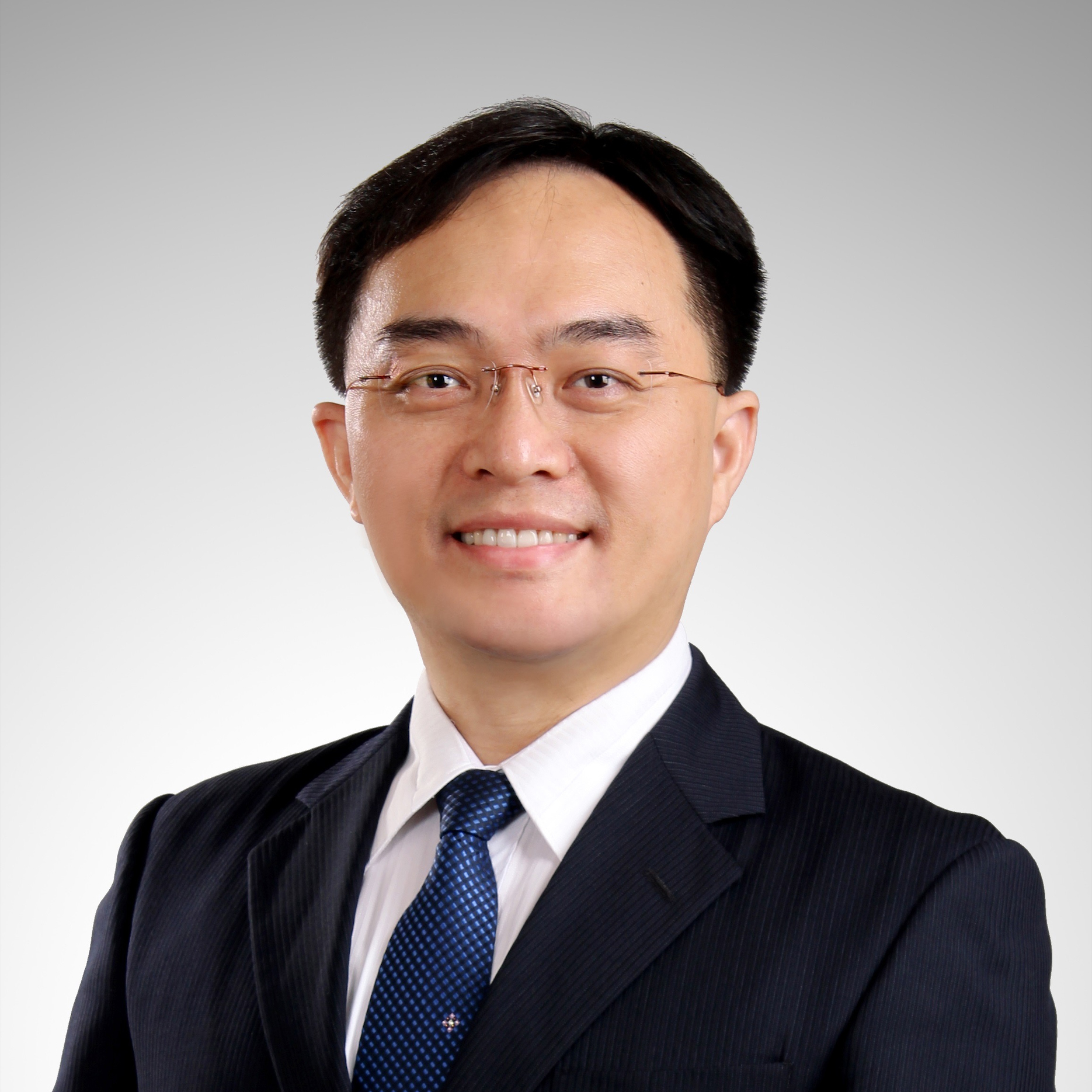
Shao-Jen Weng
Shao-Jen Weng is the Dean of the College of Interdisciplinary Innovation and a tenured Professor at Tunghai University, Taiwan. With over 20 years of research and industrial practice in Industrial Engineering, his expertise centers on Healthcare Systems Engineering and Smart Healthcare. Prior to his current roles, he earned his Ph.D. from Arizona State University and has held significant leadership positions including the Director of the Healthcare Systems Research Center.
Focusing on simulation optimization and hospital resource management, he has led numerous high-profile projects funded by the National Science and Technology Council (NSTC) and has secured major industry collaborations. As the founder and coordinator of the Healthcare Systems Consortium (HSC), he bridges the gap between engineering and clinical practice, fostering a national ecosystem for smart medicine